How To Fix Hit Status Police Clearance Philippines
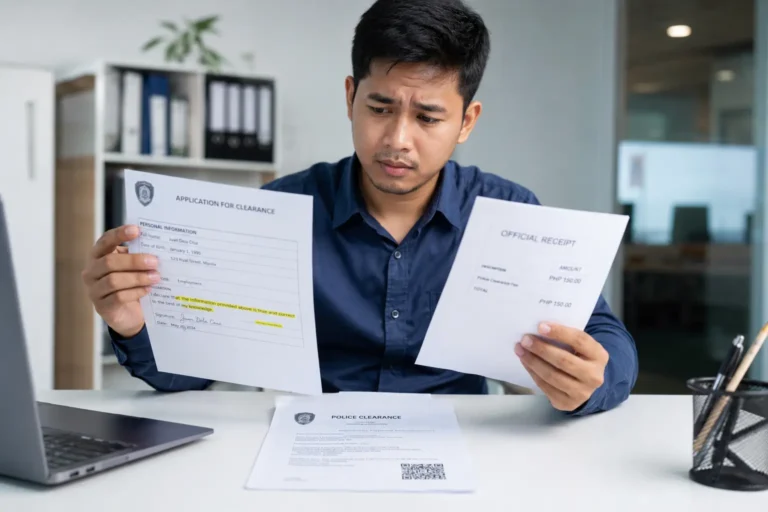
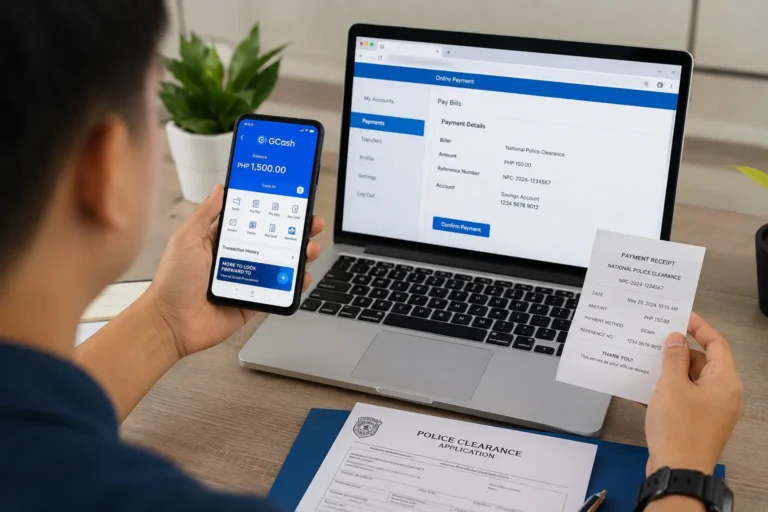
Getting a delay in your clearance can feel stressful, especially when you don’t know what the hit status Police clearance really means. Many people think it automatically means a criminal record, but that’s not always true. In most cases, it’s just a name match that needs checking. This guide will help you understand the hit status police clearance, why it happens, and what you can do next without panic. You’ll learn the exact steps, expected timelines, and how to clear the issue faster. If you’re stuck waiting or confused about your result, this will give you clear, simple answers so you can move forward with confidence.
What is a Hit Status Police Clearance Philippines?
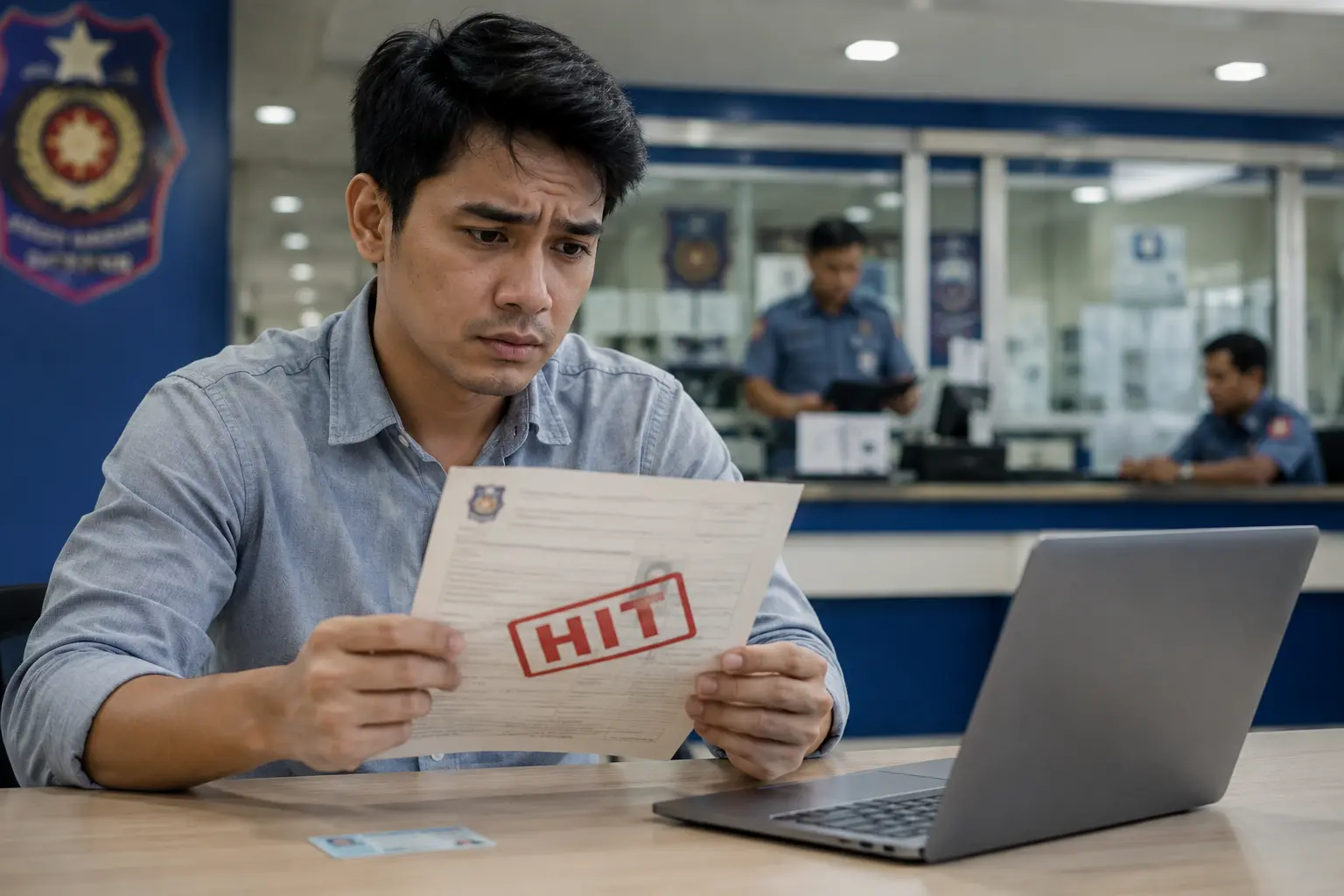
Getting a “hit” can feel scary at first—but in most cases, it’s not as serious as it sounds. It simply means your name matched something in the system and needs checking.
In the police clearance process, a hit status police clearance means your personal details are similar to those of someone in the Philippine National Police database. Because of this match, your clearance cannot be released instantly. Instead, it goes through manual verification.
A normal result, “no hit” means your record is clear and your certificate is released the same day. But with a hit, there is a delay while officers confirm whether the record actually belongs to you.
For example, if your name is “Juan Dela Cruz,” there may be many people with the same name. Even if you have no record, the system may still flag you for review.
This is why a hit status is common and often harmless.
PNP Hit Status Meaning Explained
The PNP hit status meaning is simple: your name matched an entry in the police database, and it needs verification.
The Philippine National Police system checks names, birthdates, and other details. If there is a close match, it creates a “hit.” This does not confirm any crime. It only signals a possible identity match.
Think of it like this:
- The system sees a similar name
- It cannot confirm if it’s the same person
- So, it pauses your clearance for checking
In many cases, the match is just a coincidence. Someone else may have the same or a similar name.
That’s why manual verification is important—it ensures your record is accurate before releasing your clearance.
Why Does Hit Status Happen? Common Causes
Seeing a “hit” can feel stressful, but in many cases, it’s not as serious as it sounds. It usually means the system found something that needs a closer look—not that you did something wrong.
Here are the most common reasons behind it:
- Similar or identical names in the database
If your name matches someone with a record, the system flags it for checking. - Incomplete or mismatched personal details
Birthdate, birthplace, or other details may overlap with another person. - Existing records under verification
The system may detect a record that still needs manual review. - Pending or unresolved legal cases
If there is an open case linked to your name, it can trigger a hit. - System safety checks
The database is designed to be cautious, so even small matches can cause delays.
These are the most common clearance delay reasons, and most are resolved after verification. If you’re unsure what happens next, you can check the full process here:
Identity Match Issue in Police Records
One of the most common causes is an identity match issue. This happens when your name or personal details are very similar to someone else in the police database.
For example, imagine your name is Juan Dela Cruz. This is a very common name in the Philippines. If another person with the same name has a record, the system cannot instantly tell you apart. So, it marks your application as a “hit” for manual checking.
Even small similarities can trigger this, such as:
- Same full name
- Same birthdate
- Same birthplace
This does not mean you have a criminal record. It simply means your identity needs to be confirmed.
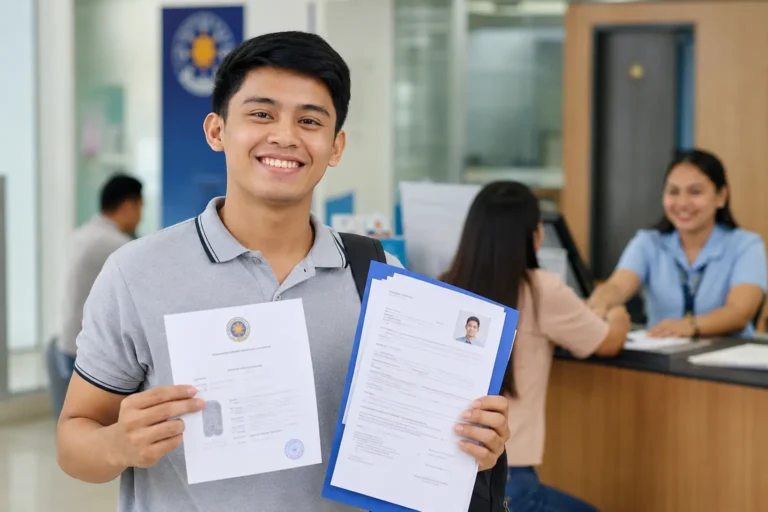
In most cases, once you provide valid ID and your details are verified, the issue gets cleared without any problem.
Criminal Record or Pending Case Flags
In some cases, the hit status is linked to actual records. This can include:
- A previous criminal record
- An ongoing investigation
- A pending court case
If your name is directly connected to any of these, the system will flag it for deeper review. Authorities will then verify the details before releasing your clearance.
It’s important to stay calm here. A hit does not always mean guilt—it simply means the system found something that requires confirmation.
If you believe this is affecting your application, it’s best to prepare your documents early and follow the verification steps carefully.
What Happens After You Get a Hit Status?
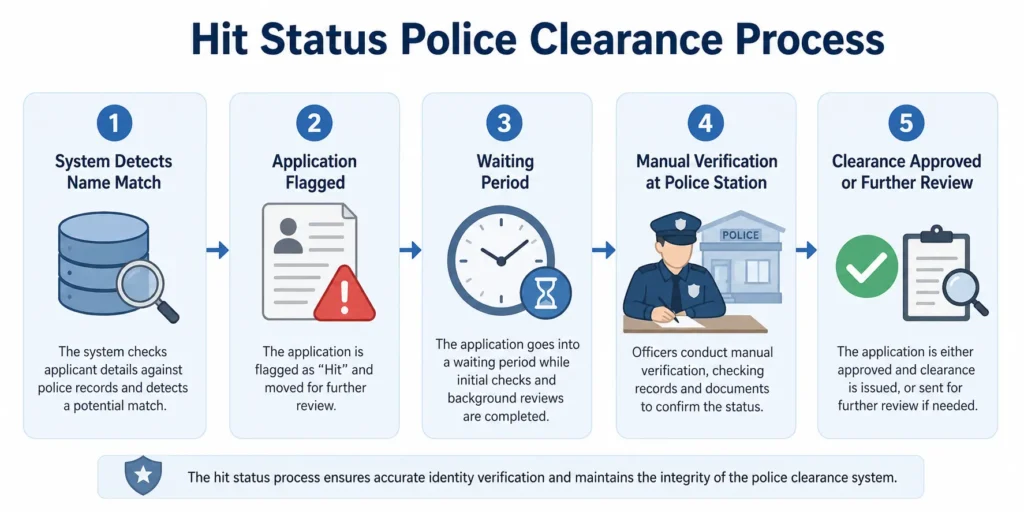
Getting a hit status can feel stressful, but the process is usually routine. It does not automatically mean you have a criminal record. It simply means your name matched someone in the database and needs checking.
Here’s what typically happens next:
- System flags your application
Your details are marked for review because of a possible match in police records. - Initial waiting period begins
You are asked to wait a few working days. During this time, officers review records in the system. - Manual verification process starts
If the system cannot clear you automatically, your case moves to manual checking. This involves comparing your personal details with flagged records. - Possible request for appearance
You may be asked to visit the police station for identity confirmation. - Final result is released
Once cleared, your police clearance will be issued. If issues remain, further steps may be required.
This verification process is designed to protect both you and the system from identity mistakes.
Step-by-Step Guide to Fix Hit Status in Police Clearance
If you received a hit status police clearance result, don’t panic. Most cases are resolved with simple verification. Follow these steps carefully to fix the issue faster.
Step 1: Wait for Initial Verification Period
After getting a hit status, the first step is to wait. This is required.
The system usually takes a few working days to review your records. During this time, officers check if your details match someone with a record or if it’s just a name similarity.
Many applicants are cleared at this stage without needing further action.
Avoid rushing to the police station immediately. Wait for the given schedule or instructions. This saves time and avoids unnecessary visits.
If your status is not updated after the waiting period, then move to the next step.
Step 2: Visit the Police Station for Manual Verification
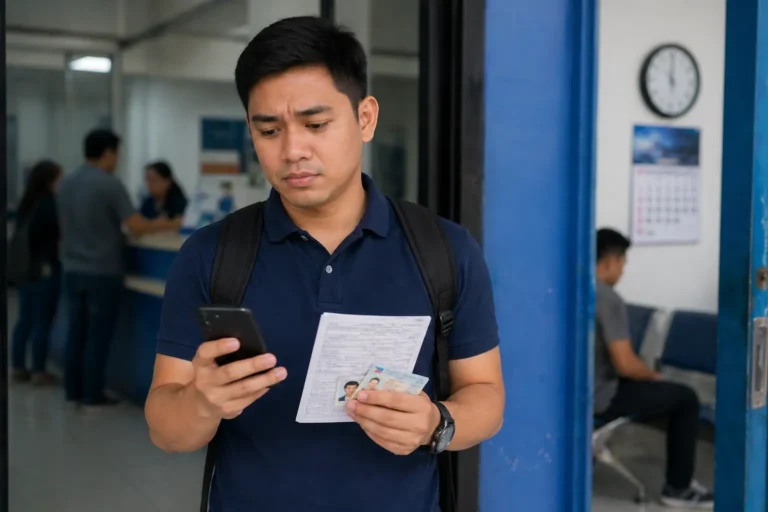
If your hit status is not cleared automatically, you will need to appear in person.
At the police station, officers will:
- Check your personal details
- Compare your data with the flagged record
- Ask basic questions to confirm your identity
This step helps resolve identity confusion, especially if your name is common.
Be calm and cooperative during the process. In most cases, once your identity is confirmed, the issue is cleared quickly.
If you’re unsure about the process, you can check the police clearance verification process before your visit.
Step 3: Provide Supporting Identification Documents
To clear your record faster, bring valid documents that prove your identity.
Commonly required documents include:
- Government-issued ID (passport, national ID, driver’s license)
- Birth certificate (if needed for name verification)
- Previous police clearance (if available)
- Any official document showing your full name and details
Make sure all details match your application.
These documents help officers confirm that you are not the person linked to the flagged record. Once verified, your hit status police clearance will be resolved, and your clearance will be released.
How Long Does It Take to Clear Hit Status?
Waiting after seeing a “hit” can feel stressful, especially if you need your clearance urgently. The timeline is not the same for everyone; it depends on why the hit happened and how fast verification is completed.
In most cases, the process takes 3 to 7 working days. This is the standard period for manual checking of records. If your case is simple, like a common name match, you may get cleared within this time.
However, delays can happen due to:
- Multiple name matches in the database
- Incomplete or unclear personal details
- Need for deeper record verification
In more complex situations, it may take up to 10–15 working days.
If your application is taking longer than expected, it’s a good idea to follow up at the police station. This helps you understand the exact clearance delay reasons and avoid unnecessary waiting.
Tips to Avoid Hit Status in Future Applications
While not all hit cases can be avoided, there are simple steps you can take to reduce the chances next time. Most issues happen due to identity confusion, not actual records.
Here are practical tips to help you avoid an identity match issue:
- Use complete and correct personal details
Always include your full name, middle name, and suffix (if any). - Double-check your application form
Small spelling mistakes can trigger unnecessary matches. - Bring valid and consistent IDs
Make sure all your IDs show the same name format and details. - Avoid using nicknames or shortcuts
Stick to your official name as shown on government IDs. - Update old or incorrect records
If you’ve changed your name or found errors before, fix them early. - Apply at the correct police station if required
Some verifications are faster when the records match your local area.
These small steps can make a big difference and help you avoid delays in your next application.
When Should You Be Concerned About Hit Status?
Not every hit status is a problem. In many cases, it’s just a routine check. But there are times when you should pay closer attention.
Normal (No need to worry):
- You have a common name
- This is your first time getting a hit
- Clearance is released within the standard waiting period
Needs attention:
- Your verification takes longer than 10–15 working days
- You are asked to return multiple times without clear updates
- There may be a possible record linked to your name
If something feels unclear, don’t ignore it. Visit the police station and ask for details. Early action can prevent bigger issues later.